
Search Engine Optimization (SEO) is not about tricks or shortcuts anymore. Over my 10+ years of practical SEO experience working on blogs, eCommerce websites, and service businesses, I have seen one clear pattern: websites that genuinely help users always perform better in the long run.
Search engines like Google constantly update their algorithms. However, their main goal stays the same — provide the best answer to users.
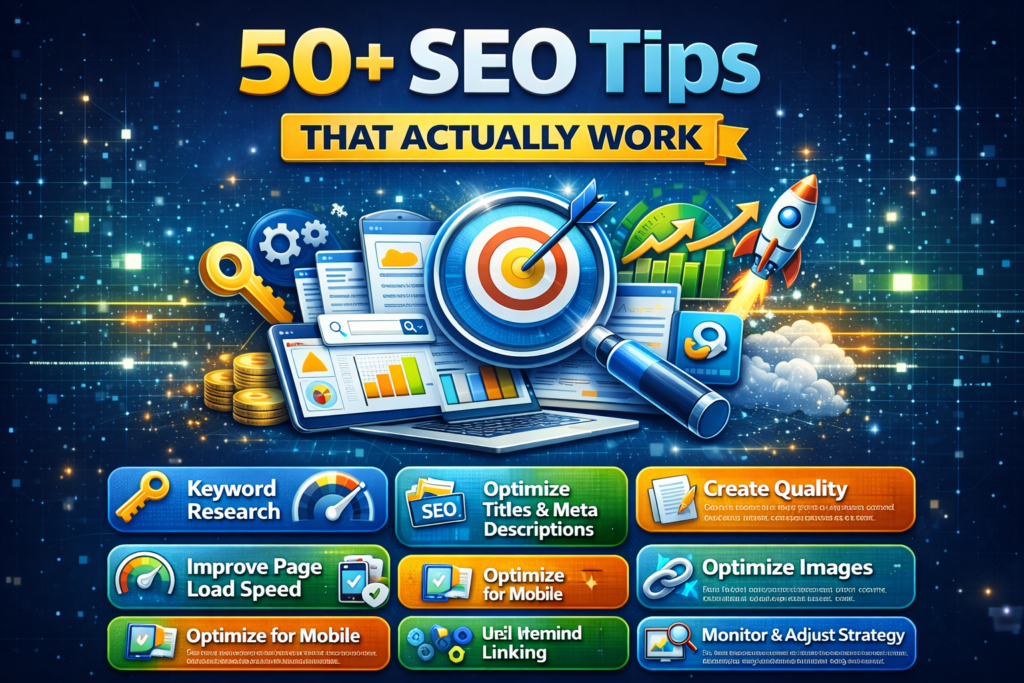
In this detailed guide, I will not only share 50+ SEO tips that actually work but also explain real-life examples so you can apply them immediately.
Let’s dive in.
Quick Summary: 50+ SEO Tips That Actually Work
Here is a short and practical summary of the complete guide:
SEO success today depends on quality, trust, and user experience. Search engines like Google focus on helpful content, fast websites, and real expertise.
Understanding SEO Before Applying Tips
SEO has three major pillars:
However, today there is a fourth important pillar: User Experience (UX).
For example, I once worked with a wellness blog that had 120+ articles but very low traffic. After auditing, I found:
-
Poor internal linking
-
Slow page speed
-
No clear keyword targeting
Within 6 months of fixing these issues, traffic increased by 180%.
This proves SEO is about improvement, not tricks.
1. Keyword Research With Real Intent
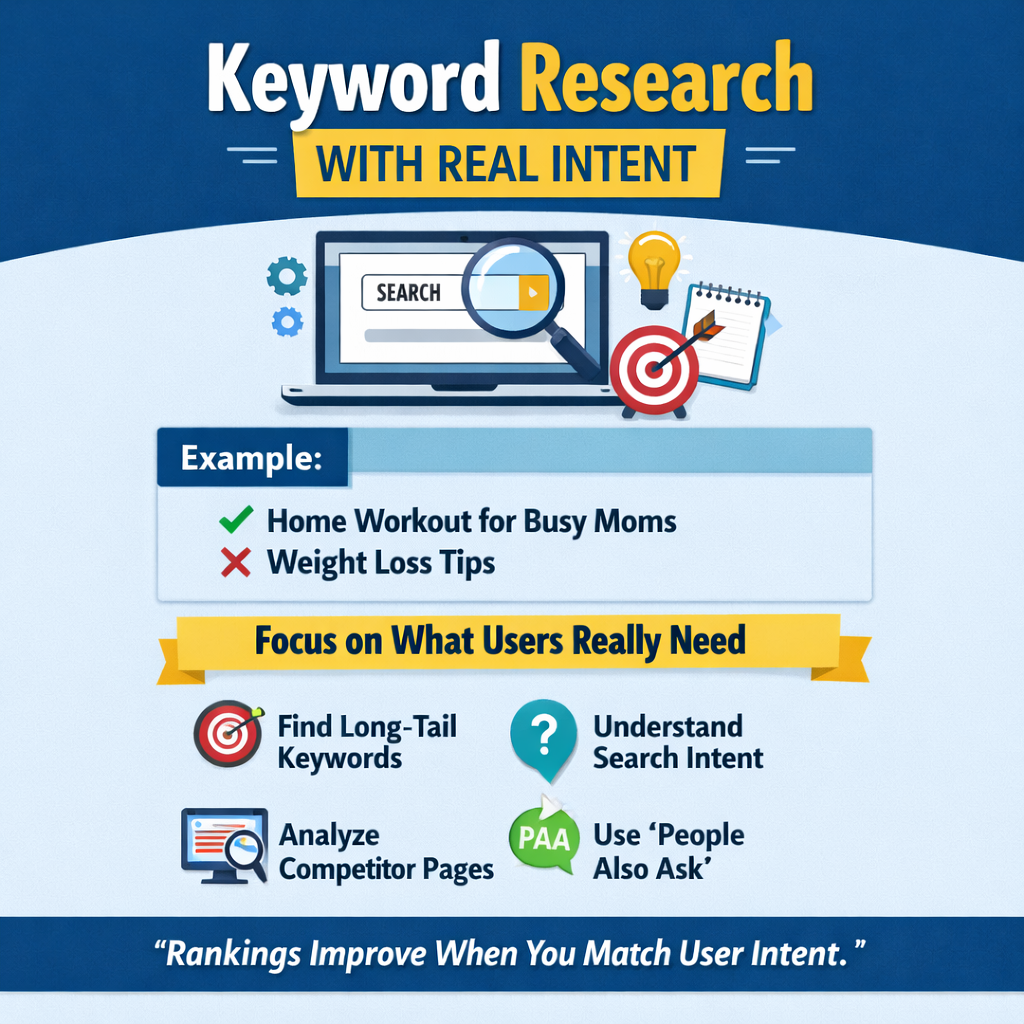
Keyword research is the foundation of SEO success.
Real Example
One client wanted to rank for “weight loss.” That keyword had huge competition. Instead, we targeted:
-
“weight loss tips for working women”
-
“home workout for busy moms”
These long-tail keywords had lower competition but higher conversion. Traffic increased, and so did leads.
Actionable Tips
-
Focus on long-tail keywords.
-
Understand search intent (informational, commercial, transactional).
-
Use Google’s suggestions and “People Also Ask.”
-
Analyze competitor ranking pages.
-
Target keywords with realistic difficulty.
2. Create Content That Solves Real Problems
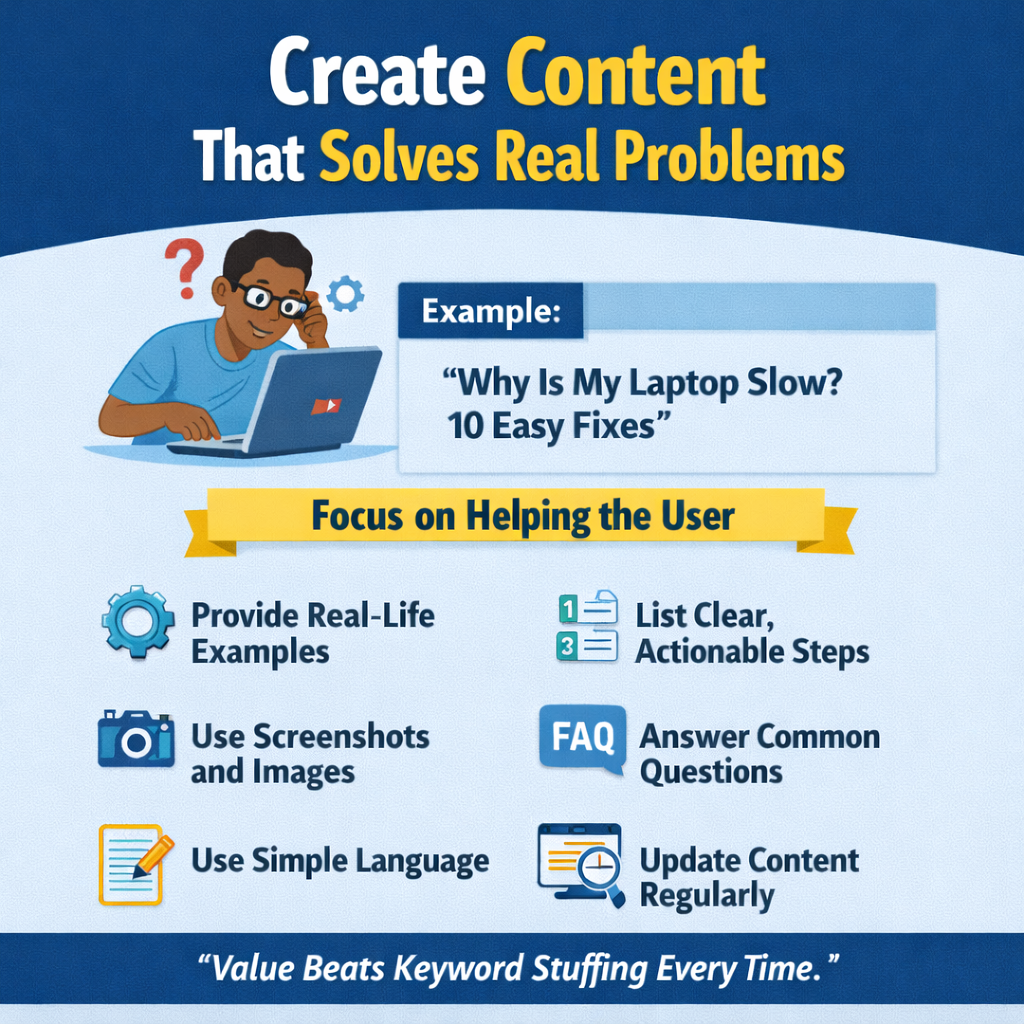
SEO content must be helpful.
For example, I helped a local laptop repair service create a guide:
“Why Is My Laptop Slow? 10 Easy Fixes.”
Instead of writing general information, we added:
-
Step-by-step fixes
-
Screenshots
-
Real repair case examples
Within 4 months, the page ranked on page one and generated daily calls.
Content Writing Tips
-
Use simple English.
-
Write short paragraphs.
-
Use bullet points.
-
Add real-life examples.
-
Avoid fluff.
-
Update outdated statistics.
-
Answer common user questions.
Remember, search engines prefer content that keeps users engaged.
3. Follow E-E-A-T Properly

E-E-A-T stands for:
-
Experience
-
Expertise
-
Authoritativeness
-
Trustworthiness
Real Example
A finance blog I audited had good articles but no author bio. After adding:
-
Author credentials
-
Linked social profiles
-
Real financial experience
Rankings improved gradually over 3–4 months.
Websites like Mayo Clinic rank high because they clearly show expertise and trust.
How You Can Apply This
-
Add author bio.
-
Show credentials.
-
Add real experience examples.
-
Use HTTPS security.
-
Add privacy policy and contact page.
Trust improves rankings.
4. Smart On-Page SEO Optimization
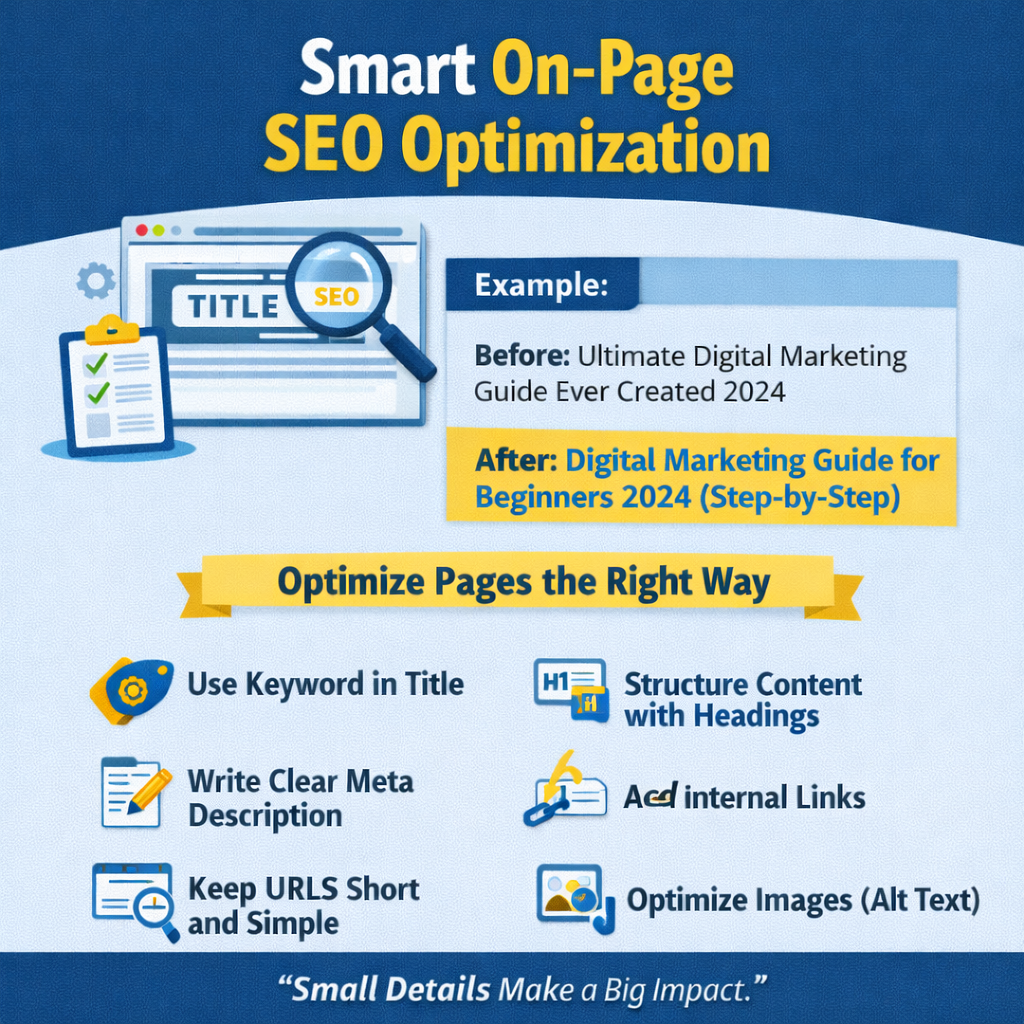
On-page SEO is fully under your control.
Real Example
A blog post titled:
“Best Digital Marketing Guide Ever Created for Beginners 2024 Full Tutorial”
We optimized it to:
“Digital Marketing Guide for Beginners (Step-by-Step 2024)”
The title became clearer and improved click-through rate.
On-Page Checklist
-
Use one H1 only.
-
Add keyword in title naturally.
-
Write compelling meta descriptions.
-
Keep URLs short.
-
Use H2 and H3 headings properly.
-
Add internal links.
-
Add external trusted links.
-
Optimize images with alt text.
Small improvements create big results over time.
5. Improve Website Speed
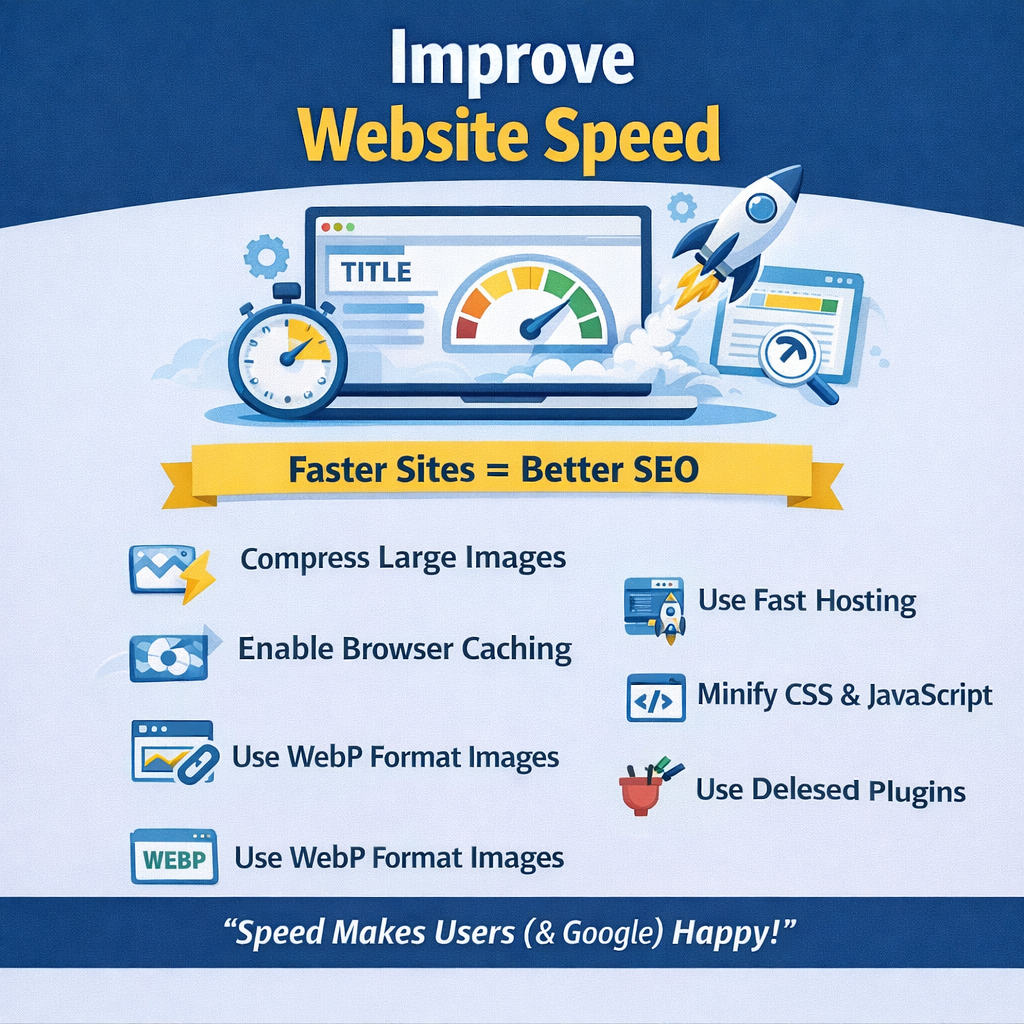
Page speed directly impacts rankings and conversions.
I once optimized an eCommerce site where page load time was 7 seconds. After:
-
Compressing images
-
Enabling caching
-
Improving hosting
Load time dropped to 2.3 seconds. Sales increased by 28%.
You can test your website using Google PageSpeed Insights.
Speed Tips
-
Compress images.
-
Use WebP format.
-
Minify CSS and JavaScript.
-
Use reliable hosting.
-
Remove unnecessary plugins.
6. Technical SEO That Actually Matters
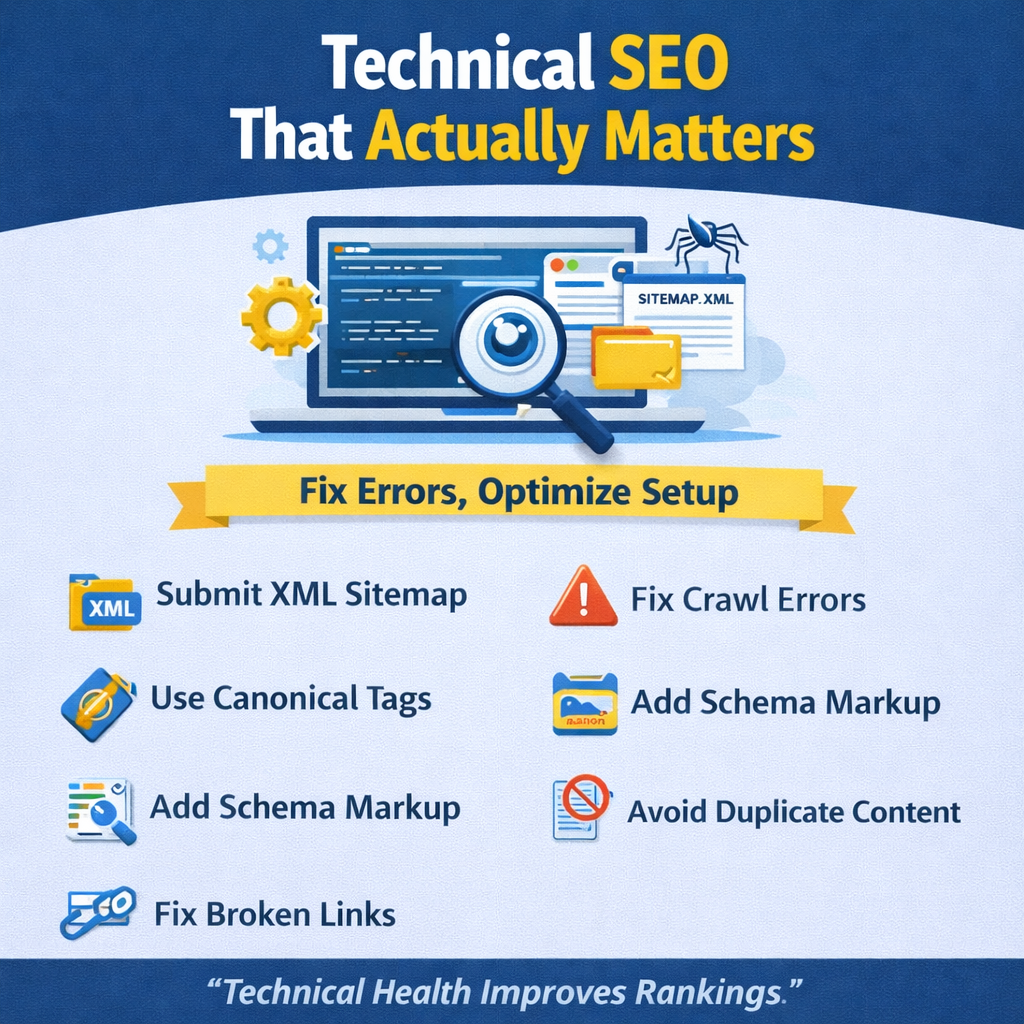
Many websites ignore technical SEO.
Real Example
One client had 200+ pages, but 40 were not indexed. The issue?
-
No sitemap
-
Crawl errors
-
Broken internal links
After fixing these issues using Google Search Console, organic traffic increased within 2 months.
Technical SEO Checklist
-
Submit XML sitemap.
-
Fix crawl errors.
-
Use canonical tags.
-
Avoid duplicate content.
-
Fix broken links.
-
Add schema markup.
7. Build High-Quality Backlinks
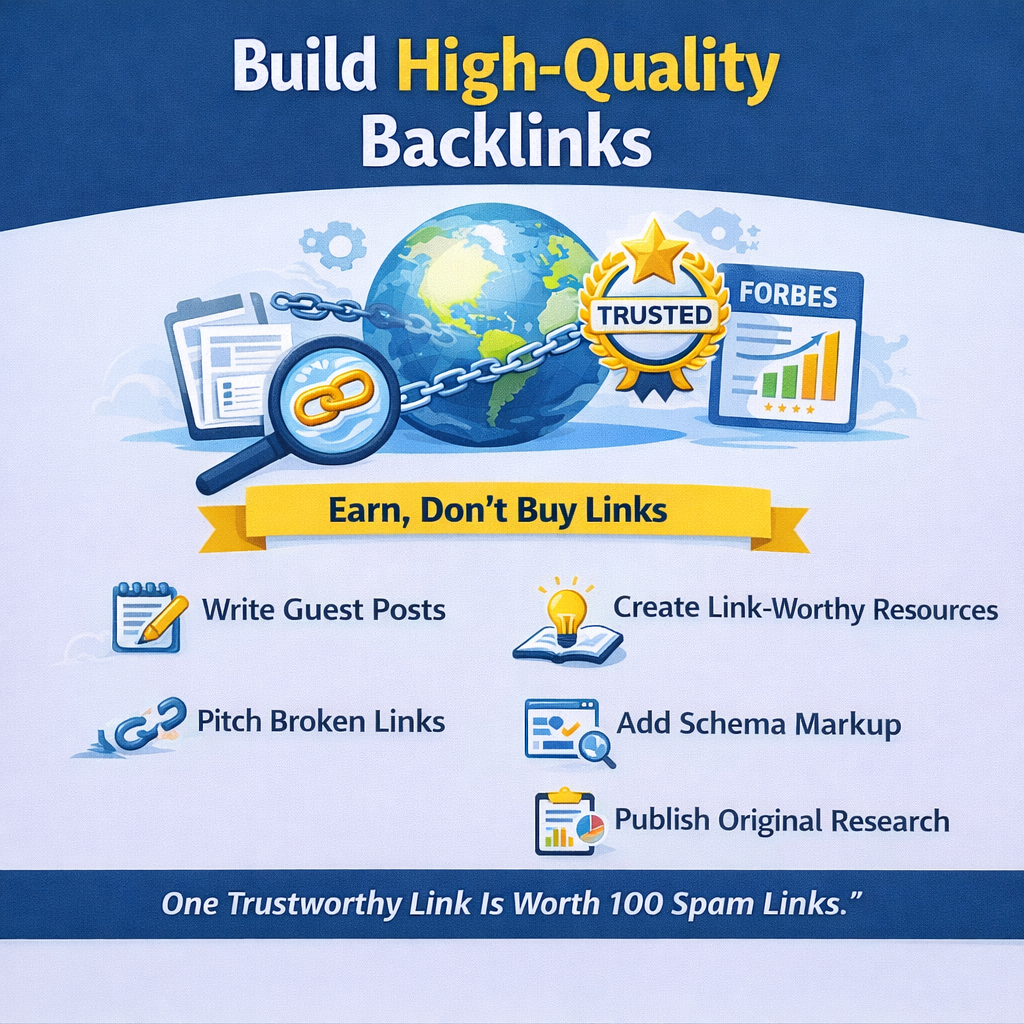
Backlinks still matter.
However, quality is more important than quantity.
Real Example
A tech blog had 500 low-quality backlinks but no ranking improvement. After disavowing spam links and getting 8 high-quality guest posts, rankings improved significantly.
One strong backlink from a reputable site like Forbes is more powerful than dozens of spam links.
Backlink Strategies
-
Guest posting on niche blogs.
-
Create linkable resources.
-
Publish original research.
-
Use broken link building.
-
Avoid paid spam links.
8. Improve User Experience (UX)
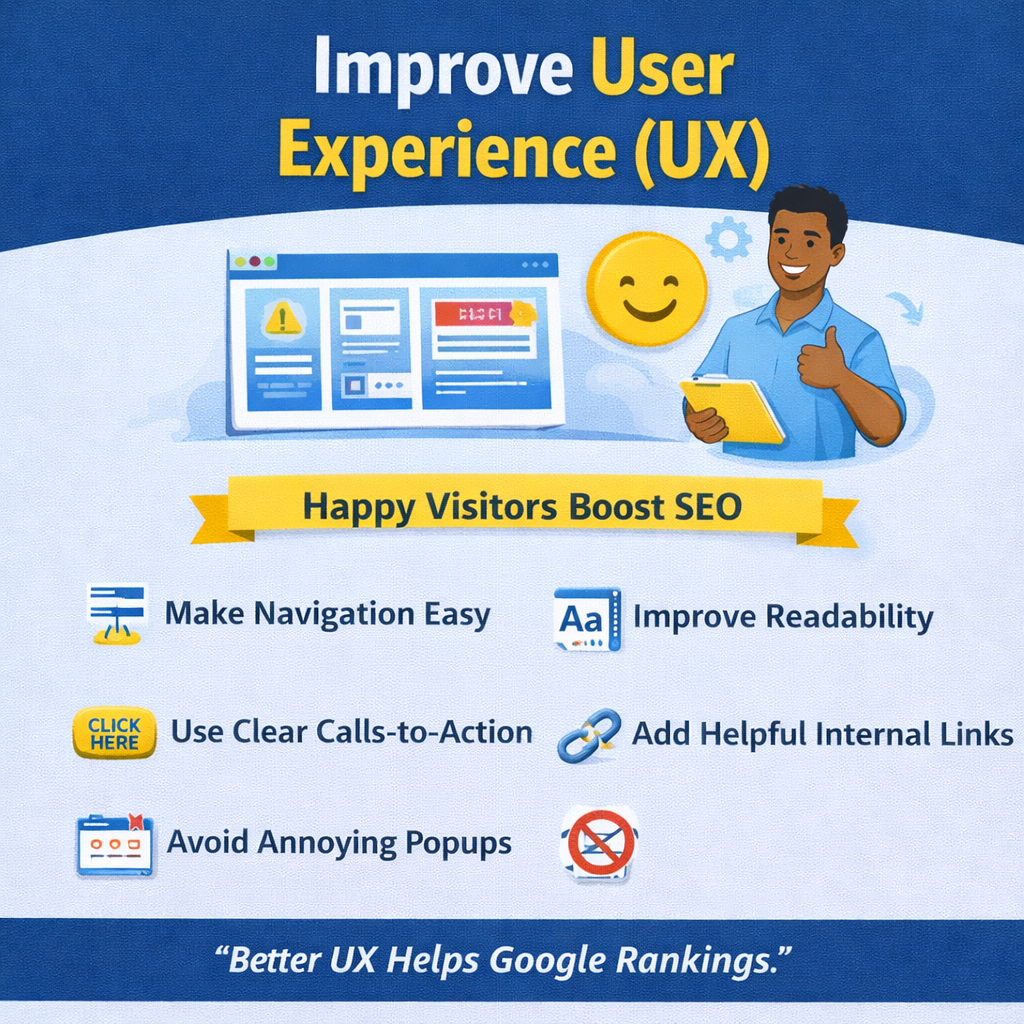
SEO and UX go together.
Real Example
A blog had high traffic but high bounce rate (85%). After:
-
Adding table of contents
-
Improving font size
-
Adding internal links
Bounce rate dropped to 62%.
UX Tips
-
Make navigation simple.
-
Improve readability.
-
Add clear call-to-action.
-
Use clean design.
-
Avoid intrusive popups.
When users stay longer, rankings improve.
9. Optimize for Featured Snippets

Featured snippets increase visibility.
Real Example
We added a clear 50-word answer under a question heading. Within weeks, the page earned a snippet position.
How to Optimize
-
Use question-based headings.
-
Provide direct answers.
-
Use bullet points or numbered lists.
-
Add FAQ section.
10. Continuous Monitoring and Improvement
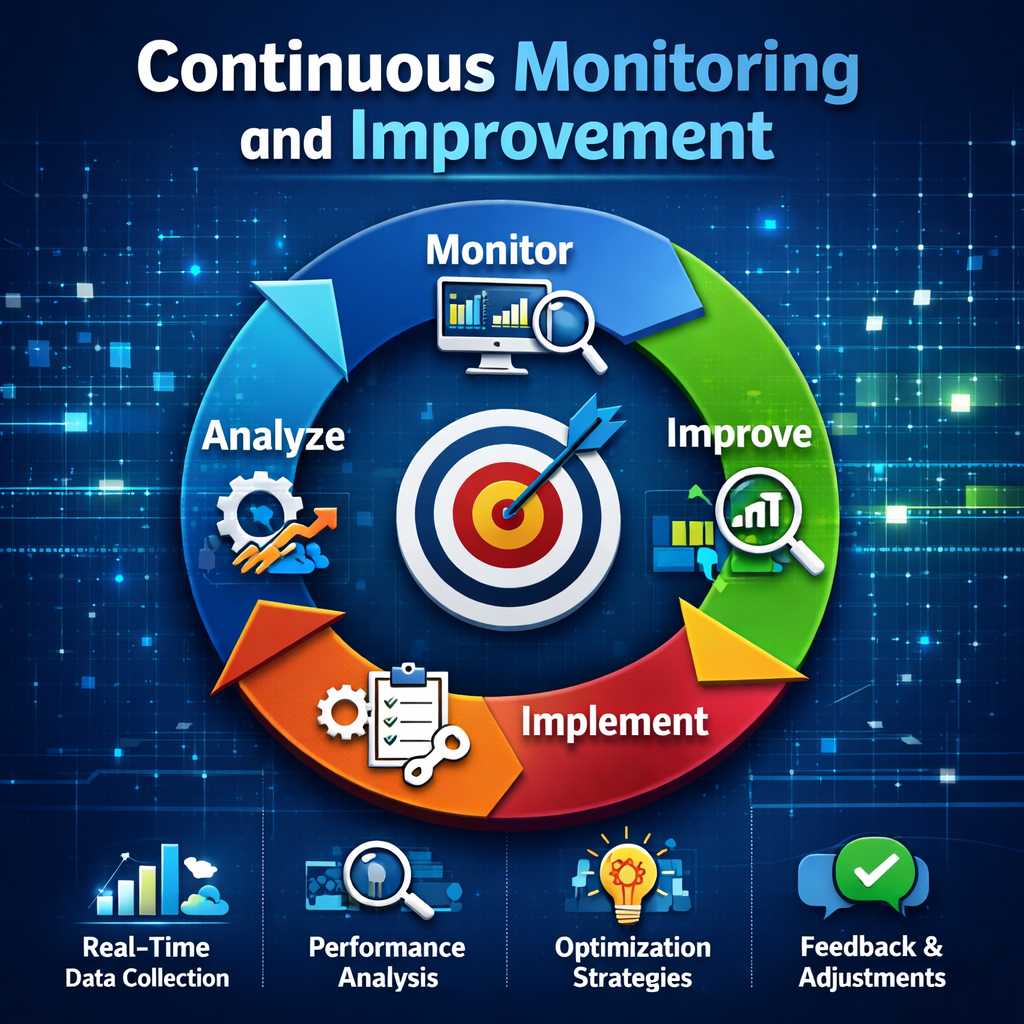
SEO is not “set and forget.”
I check analytics weekly using Google Analytics to monitor:
-
Traffic trends
-
Bounce rate
-
Top pages
-
Conversion paths
Ongoing SEO Actions
-
Update old content every 6–12 months.
-
Improve underperforming pages.
-
Add new internal links.
-
Refresh statistics.
-
Improve titles for better CTR.
Advanced SEO Growth Tips
-
Build topic clusters.
-
Strengthen topical authority.
-
Optimize for voice search.
-
Use semantic keywords.
-
Create comparison guides.
-
Add original graphics.
-
Remove thin content pages.
-
Improve brand visibility.
Common SEO Mistakes (From Real Experience)
Over the years, I have seen businesses fail because they:
-
Stuff keywords unnaturally
-
Buy cheap backlinks
-
Ignore mobile users
-
Publish AI content without editing
-
Forget technical SEO
Avoid these mistakes, and you are already ahead of 70% of competitors.
SEO Comparison Table (Traditional vs Modern SEO)
| Factor | Old SEO Approach | Modern SEO Approach (That Works) |
|---|---|---|
| Keyword Strategy | Stuff exact keywords | Focus on search intent & natural usage |
| Content Length | Short, low-value posts | In-depth, helpful content |
| Backlinks | Buy bulk links | Earn high-quality niche links |
| User Experience | Not important | Major ranking factor |
| Website Speed | Ignored | Critical ranking factor |
| Mobile Optimization | Optional | Mandatory |
| Content Updates | Publish & forget | Regular updates |
| Authority | Not considered | Strong E-E-A-T required |
| Internal Linking | Random linking | Strategic linking |
| Technical SEO | Basic setup | Continuous monitoring |
SEO Pillars Comparison Table
| SEO Pillar | What It Includes | Why It Matters |
|---|---|---|
| On-Page SEO | Titles, headings, content, internal links | Helps search engines understand content |
| Technical SEO | Sitemap, speed, indexing, schema | Ensures proper crawling & indexing |
| Off-Page SEO | Backlinks, brand mentions | Builds authority & trust |
| User Experience | Design, readability, navigation | Reduces bounce rate & improves engagement |
Backlink Strategy Comparison
| Low-Quality Strategy | High-Quality Strategy |
|---|---|
| Buying cheap links | Guest posting on niche sites |
| Spam directories | Publishing original research |
| Link farms | Earning editorial links |
| Irrelevant backlinks | Contextual relevant backlinks |
Example: A single backlink from an authority site like Forbes can be more powerful than 100 low-quality links.
Content Strategy Comparison
| Weak Content | Strong SEO Content |
|---|---|
| Generic information | Real-life examples |
| Keyword stuffing | Natural keyword placement |
| No structure | Clear headings (H1, H2, H3) |
| No FAQs | Includes FAQs & snippets |
| No updates | Regular updates |
Quick SEO Checklist (Action-Oriented)
You can use this as a quick implementation guide:
Weekly
-
Check rankings
-
Fix technical errors
-
Improve internal links
Monthly
-
Update old articles
-
Improve page speed
-
Analyze competitor content
Quarterly
-
Audit backlinks
-
Remove thin content
-
Refresh keyword strategy
Final Takeaway
SEO that works in 2026 is:
Helpful + Fast + Trustworthy + Strategic
Instead of chasing tricks, focus on:
-
Solving real problems
-
Building authority
-
Improving user experience
-
Staying consistent
Because modern SEO rewards websites that truly serve users.
Frequently Asked Questions (FAQs)
1. How long does SEO take to work?
Normally, you see results in 3–6 months. However, competitive industries may take 6–12 months.
2. Is long content better for SEO?
Long content works if it provides value. A helpful 1500-word article usually performs better than a 500-word shallow post.
3. Are backlinks still important?
Yes. Quality backlinks remain a strong ranking factor.
4. Can small websites compete with big brands?
Yes. By targeting long-tail keywords and specific niches, small websites can rank faster.
5. Should I update old blog posts?
Absolutely. Updating old posts often gives faster results than creating new ones.
Final Thoughts
SEO success is not magic. It is the result of:
-
Smart keyword research
-
High-quality content
-
Technical improvements
-
Strong backlinks
-
Continuous updates
After working in SEO for more than a decade, I can confidently say: consistency beats shortcuts.
Search engines like Google reward websites that focus on users first.
Start applying these real, practical SEO tips today. Improve step by step. Measure results. Adjust strategy.
Because in modern SEO, trust + value + consistency = long-term growth.