

Choosing the right cooking oil can quietly shape your health every single day. The oil you use affects your heart, weight, digestion, and even energy levels. Some oils support long-term wellness, while others may slowly harm your body if used regularly. Therefore, understanding which oil is good for health is not just useful—it is essential for smart eating habits.
Different oils have different properties, and no single oil is perfect for every purpose. However, knowing how to choose healthy cooking oil can help you make better decisions in your kitchen.
Table of Contents
ToggleUnderstanding Healthy Fats and Cooking Oils
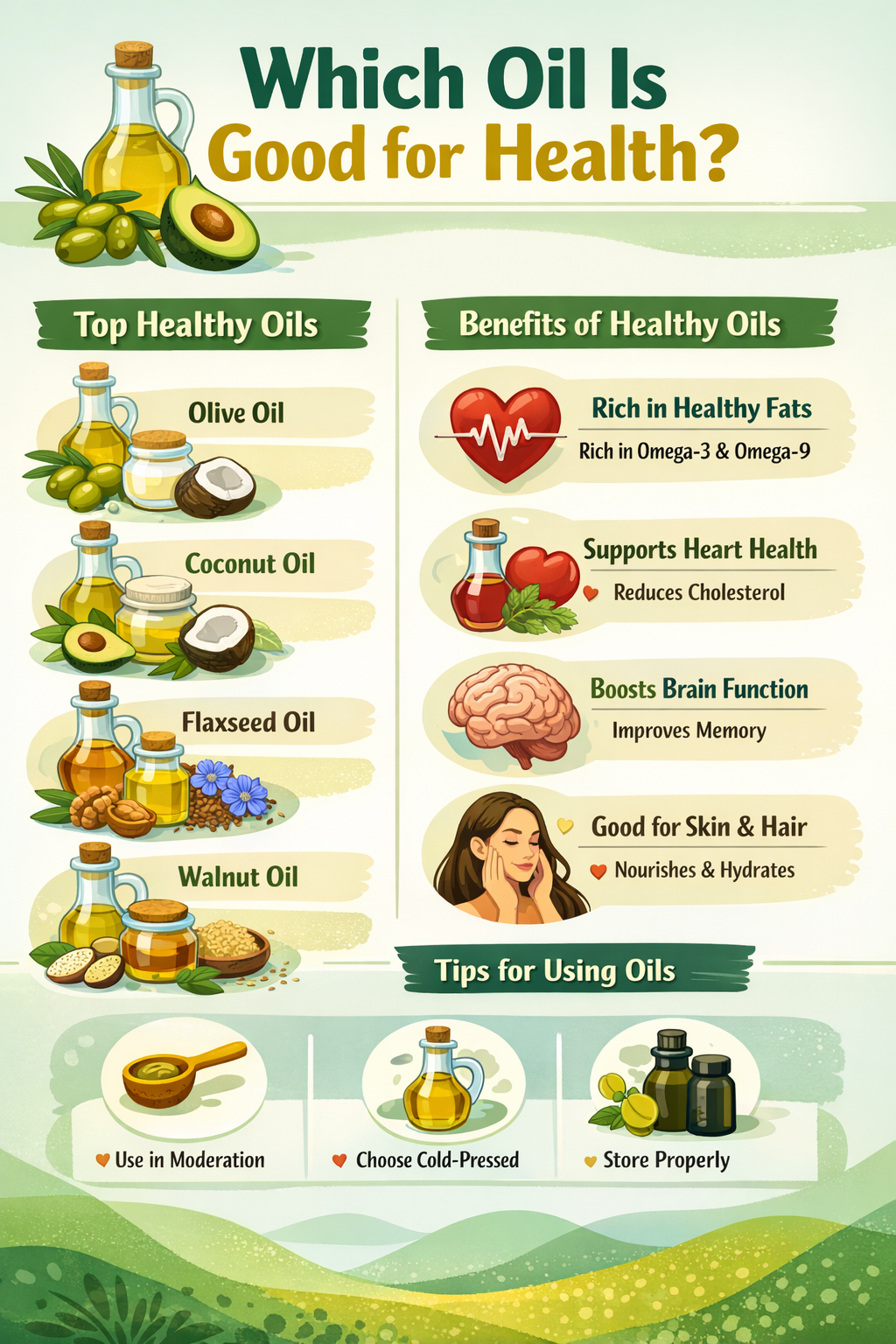
Not all fats are bad. In fact, your body needs certain fats to function properly. The key is to understand the types of fats found in cooking oils and how they affect your health.
Types of fats in oils
Healthy oils usually contain unsaturated fats, such as monounsaturated and polyunsaturated fats. These fats help reduce bad cholesterol and support heart health. For example, olive oil and mustard oil are rich in monounsaturated fats, which are known to be beneficial for the heart.
On the other hand, saturated fats and trans fats can increase cholesterol levels if consumed in excess. Oils like palm oil and hydrogenated oils often contain higher amounts of saturated fats. Therefore, they should be used carefully and in moderation.
Smoke point and cooking method
Another important factor is the smoke point of oil. The smoke point is the temperature at which oil starts to break down and release harmful compounds. For example, coconut oil has a high smoke point, making it suitable for frying, while extra virgin olive oil is better for low to medium heat cooking.
Moreover, the cooking method also matters. Deep frying requires oils with higher stability, while salads and light cooking can benefit from cold-pressed oils. As a result, using the right oil for the right purpose can improve both taste and health.
Balance is the real secret
Many people search for one “best” oil, but balance is more important than perfection. Using a mix of healthy oils can provide different nutrients and fatty acids. In addition, rotating oils in your diet can help you avoid excessive intake of any single type of fat.
Olive Oil: A Heart-Friendly Choice
Olive oil is often considered one of the healthiest cooking oils in the world. It is widely used in Mediterranean diets, which are known for promoting longevity and heart health.
Why olive oil is good for health
Olive oil is rich in monounsaturated fats and antioxidants. These compounds help reduce inflammation and improve cholesterol levels. Moreover, olive oil contains polyphenols, which support overall heart health and protect cells from damage.
Extra virgin olive oil, in particular, is less processed and retains more nutrients. Therefore, it is a better choice compared to refined olive oil. Using olive oil regularly can help maintain healthy blood pressure and reduce the risk of heart-related problems.
Best ways to use olive oil
Olive oil works best for sautéing vegetables, cooking at low to medium heat, and salad dressings. For example, adding a spoon of olive oil to a fresh salad can enhance both flavor and nutrition.
However, olive oil is not always ideal for deep frying due to its lower smoke point compared to some other oils. Therefore, it is better to reserve olive oil for light cooking and raw consumption.
Practical opinion
If your goal is heart health and balanced nutrition, olive oil is an excellent daily choice. However, relying only on olive oil may not provide all types of fatty acids. As a result, combining it with other healthy oils can create a more complete dietary fat profile.
Mustard Oil: Traditional and Powerful
Mustard oil has been used in Indian kitchens for centuries. It has a strong flavor and unique health benefits, making it a popular choice in many households.
Health benefits of mustard oil
Mustard oil is rich in monounsaturated fats and omega-3 fatty acids, which support heart health. In addition, it contains natural compounds with antibacterial and anti-inflammatory properties.
Moreover, mustard oil can help improve digestion and stimulate appetite. Many people believe that it also supports joint health and boosts immunity when used regularly in cooking.
Cooking advantages
Mustard oil has a high smoke point, making it suitable for frying and high-heat cooking. For example, it works well for stir-frying vegetables, cooking curries, and deep frying snacks.
Unlike some refined oils, mustard oil is often available in cold-pressed form, which retains more nutrients. Therefore, choosing cold-pressed mustard oil can enhance its health benefits.
Real-life relevance
In Indian households, mustard oil is often used daily without much thought. However, when used in moderation and combined with other oils, it can be a powerful addition to a healthy diet. As a result, mustard oil remains one of the best cooking oils for health, especially in traditional cuisines.
Coconut Oil: Energy and Immunity Booster
Coconut oil has gained global popularity in recent years. Some people praise it as a superfood, while others warn about its saturated fat content. The truth lies somewhere in between.
Nutritional profile of coconut oil
Coconut oil contains medium-chain triglycerides (MCTs), which are easier to digest and quickly converted into energy. Therefore, coconut oil can be helpful for people who need quick energy or follow low-carb diets.
Moreover, coconut oil has antimicrobial properties that may support immunity. It is also known for improving skin and hair health when used externally.
When coconut oil is a good choice
Coconut oil is ideal for high-heat cooking due to its high smoke point. For example, it works well for frying, roasting, and baking. In addition, coconut oil is stable and does not oxidize easily.
However, coconut oil is high in saturated fats. Therefore, excessive consumption may not be suitable for everyone, especially those with cholesterol concerns. Moderation is key.
Balanced perspective
Coconut oil can be part of a healthy diet if used wisely. Instead of using it as the only cooking oil, it is better to combine it with oils rich in unsaturated fats. As a result, you can enjoy its benefits without increasing health risks.
Other Healthy Oils Worth Considering
Apart from olive, mustard, and coconut oil, several other oils offer unique health benefits. Choosing the right oil depends on your cooking style, health goals, and taste preferences.
Groundnut oil and sunflower oil
Groundnut oil is rich in monounsaturated fats and has a mild flavor. It is suitable for frying and everyday cooking. Moreover, it contains vitamin E, which supports skin and heart health.
Sunflower oil, on the other hand, is rich in polyunsaturated fats. It can help reduce bad cholesterol when used in moderation. However, highly refined sunflower oil may lose some nutrients during processing.
Sesame oil and rice bran oil
Sesame oil contains antioxidants and healthy fats that support heart health. It is often used in Asian cuisines and adds a distinctive flavor to dishes.
Rice bran oil is another healthy option with a balanced fatty acid profile. It is known for improving cholesterol levels and supporting cardiovascular health. Therefore, it is a good choice for daily cooking.
Choosing the right oil for your lifestyle
There is no universal answer to which oil is good for health. Instead, the best approach is to use a combination of oils. For example, you can use olive oil for salads, mustard oil for cooking, and coconut oil occasionally for frying.
Moreover, choosing cold-pressed or minimally processed oils can enhance nutritional value. As a result, your body receives a variety of healthy fats that support overall wellness.
FAQs: Which Oil Is Good for Health?
1. Which oil is best for daily cooking?
For daily cooking, a combination of mustard oil, groundnut oil, and rice bran oil works well. These oils provide a balance of healthy fats and are suitable for Indian cooking. Rotating oils regularly can help you get different nutrients and avoid excess intake of one type of fat.
2. Is olive oil good for Indian cooking?
Olive oil is good for light cooking and salads, but it may not be ideal for high-heat Indian cooking. Extra virgin olive oil works best at low temperatures. Therefore, it is better to use olive oil along with traditional oils like mustard oil or groundnut oil.
3. Is coconut oil healthy or harmful?
Coconut oil can be healthy when used in moderation. It provides quick energy and has antimicrobial properties. However, it is high in saturated fats, so excessive consumption may not be suitable for everyone. Using coconut oil occasionally as part of a balanced diet is a practical approach.
4. Which oil is best for heart health?
Olive oil, mustard oil, and rice bran oil are considered good for heart health. They contain healthy fats that help manage cholesterol levels. Using these oils in rotation and avoiding excessive fried foods can support long-term cardiovascular health.
5. Which oil is best for weight loss?
No oil directly causes weight loss, but oils rich in healthy fats like olive oil and coconut oil can support metabolism when used wisely. Portion control and balanced meals are more important than the type of oil. Choosing minimally processed oils can also help maintain better overall health.
6. Is refined oil bad for health?
Highly refined oils may lose nutrients during processing and can contain harmful compounds if overheated. Therefore, cold-pressed or minimally processed oils are generally better choices. However, refined oils can still be used occasionally if consumed in moderation.
7. Which oil is best for frying?
For frying, oils with high smoke points like mustard oil, coconut oil, and groundnut oil are suitable. These oils remain stable at high temperatures and produce fewer harmful compounds. Avoid reusing oil multiple times, as it can become unhealthy.
8. Can I use multiple oils in my diet?
Yes, using multiple oils is actually recommended. Different oils provide different types of fatty acids and nutrients. Rotating oils like olive oil, mustard oil, sesame oil, and rice bran oil can create a balanced fat intake and support overall health.
Conclusion
Choosing the right cooking oil is not about following trends but understanding your body and cooking habits. Olive oil supports heart health, mustard oil strengthens traditional diets, coconut oil boosts energy, and other oils add balance and variety. Therefore, the smartest choice is not one single oil but a thoughtful combination of healthy oils. Small changes in your kitchen can lead to long-term health benefits and a more balanced lifestyle.